



Ridesharing services like Uber and Lyft have become a staple of life in Port St. Lucie. Whether heading to Clover Park for a game or enjoying a carefree night out without worrying about parking, these services offer unmatched convenience. But when the unexpected happens and a peaceful ride turns into a traumatic accident, the aftermath can be overwhelming — not just emotionally, but also legally. Unlike typical car accidents, rideshare crashes often involve layers of insurance policies and state-specific regulations that can make pursuing compensation feel impossible.
The confusion and stress in the moments following a rideshare accident can leave victims feeling lost. Throw in the complexities of navigating corporate insurance policies, and even taking the first step can feel daunting. This is where the compassionate legal professionals at Fenstersheib Law Group, P.A. come in. Our team understands how these unique cases work under Florida law, and we are committed to guiding Port St. Lucie victims toward the justice and financial recovery they deserve.

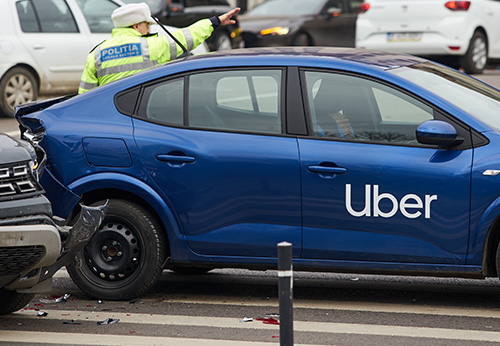
What sets rideshare accident claims apart from more conventional car crashes is Florida’s distinct insurance structure for Transportation Network Companies (TNCs) like Uber and Lyft. This system employs a three-tier insurance framework, which determines coverage based entirely on what the driver was doing at the time of the accident. It’s a critical factor that can significantly influence the outcome of your claim.
If the driver’s rideshare app is turned off and they are using their vehicle for personal reasons, the situation is treated like any regular car accident. In this scenario, only the driver’s personal auto insurance policy applies to the crash. However, most personal insurance plans are limited to Florida’s minimum coverage requirements, which might not be enough to cover severe injuries or damages. Victims often find themselves negotiating with the driver’s insurer under frustratingly restrictive policy limits.
When the app is active and the driver is waiting to be matched with a passenger, the complexity increases. During this phase, rideshare companies must provide a limited liability insurance policy to cover potential incidents. Florida law specifies that this coverage must include:
While these numbers exceed Florida’s personal minimum requirements, they are still insufficient for accidents resulting in significant injuries. Worse yet, insurance companies will often dispute which coverage applies, sometimes trying to confine claims to this tier to minimize payouts.
The strongest insurance protections are in place once a driver has accepted a ride request or when passengers are inside the rideshare vehicle. During this phase, Uber and Lyft’s commercial insurance provides at least $1 million in coverage. This covers not only medical costs but also lost wages, future care needs, and pain and suffering for passengers, other motorists, or pedestrians involved in the crash.
Port St. Lucie’s rapid growth has increased traffic — which leads to higher risks on local roads. In 2023 alone, St. Lucie County experienced over 4,500 motor vehicle crashes. High-traffic areas, such as Port St. Lucie Boulevard by the Turnpike, are particularly dangerous. As more residents and visitors rely on Uber and Lyft, the frequency of rideshare-related accidents continues to grow.
After a crash, victims are often bombarded with calls from insurance adjusters representing both the driver’s personal insurance and the rideshare company’s provider. With each insurer trying to shift blame and dodge responsibility, victims can feel trapped in a legal tug-of-war. Determining which insurance tier applies requires meticulous investigation — something that’s nearly impossible to manage while recovering from an injury.
At Fenstersheib Law Group, P.A., we are focused on standing up for victims. Our team ensures critical evidence is preserved, responsibilities are clearly established, and our clients' rights remain protected. This is particularly vital in rideshare accidents, where getting to the bottom of the driver’s activity at the time of impact can make all the difference in accessing the proper coverage.
Filing an Uber or Lyft accident claim in Florida involves more than just submitting paperwork. Insurance companies bring in teams of attorneys to reduce their costs. Without a dedicated legal professional on your side, it’s easy to fall victim to lowball settlement offers or prolonged delays in the claims process.
A skilled lawyer will handle every aspect of your case — from conducting thorough investigations and gathering evidence to engaging in tough negotiations with the insurance companies. Most importantly, they will fiercely advocate for maximum compensation that accounts for current costs, future needs, and the emotional impact of your accident.
Our goal is to ensure you receive a fair Uber or Lyft accident settlement in Florida, covering medical expenses, lost income, long-term care needs, emotional distress, and more.

After a traumatic rideshare accident in Port St. Lucie, you may feel overwhelmed, unsure where to turn, or worried about how you’ll cover mounting medical bills. At Fenstersheib Law Group, P.A., we’ve helped countless victims like you stand up against powerful insurance companies and secure the justice they need to move forward.
We’ll take care of the legal details while you focus on healing and family. From finding answers to your questions to fighting for the compensation you deserve, we’re here to listen, guide, and protect your rights.
Don’t let the complexities of a rideshare claim stand in the way of your recovery. If you’ve been searching for a compassionate and determined rideshare accident lawyer near me, look no further.
Contact the Fenstersheib Law Group, P.A. today for a free, no-obligation consultation to discuss your options. Call (954) 231-6123 now and take the first step toward getting your life back on track.